
DIY Bathroom Remodel Guide: Step-by-Step Planning, Costs, and What You Can Realistically Do Yourself
A DIY bathroom remodel can significantly reduce renovation costs, but it requires strict scope control, realistic skill assessment, and clear understanding of what should and should not be attempted without professional help.
A DIY bathroom remodel is a partial renovation approach where homeowners handle cosmetic or non-technical work themselves while outsourcing plumbing, electrical, or structural tasks to licensed professionals.
Most failed DIY remodels do not fail because of design—they fail because scope boundaries are ignored early in the process.
Table of Contents
- What a DIY Bathroom Remodel Actually Means
- Defining Safe DIY Scope vs Professional Work
- Step-by-Step DIY Remodeling Process
- DIY Bathroom Remodel Cost Tiers
- Tools and Materials You Will Need
- Hidden Risks Most Homeowners Underestimate
- Common DIY Remodeling Mistakes
- When to Hire a Contractor (Critical Thresholds)
- How Contractors Can Save Failed DIY Projects
- FAQ
- Key Takeaways
What a DIY Bathroom Remodel Actually Means
A DIY bathroom remodel is not a full replacement of professional labor—it is a selective approach where homeowners take on controlled tasks while leaving technical systems to licensed trades.
The most successful DIY remodels are hybrid projects, not fully self-executed renovations.
This distinction is critical because plumbing, electrical, and waterproofing errors can multiply repair costs quickly.
Defining Safe DIY Scope vs Professional Work
The first decision in any DIY remodel is scope separation.
Safe DIY tasks include:
- Painting walls and ceilings
- Installing or replacing hardware (towel bars, mirrors)
- Basic vanity replacement (non-plumbed adjustments)
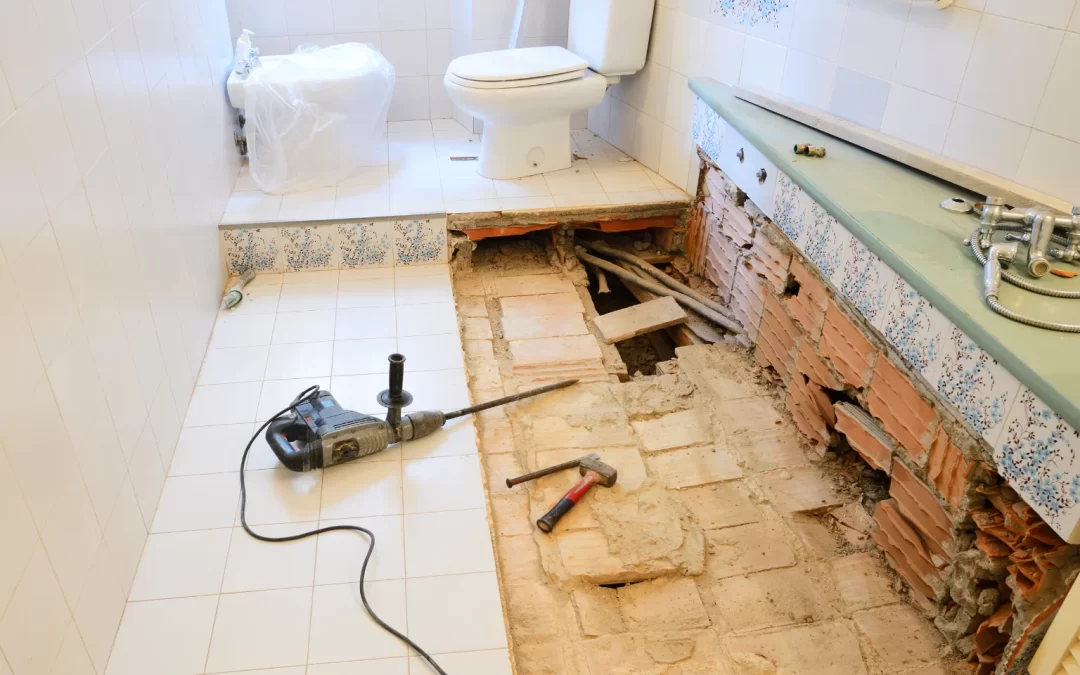
- Demolition of non-structural elements
- Flooring installation (depending on material)
Professional-required tasks include:
- Plumbing line relocation or modification
- Electrical rewiring or new circuit installation
- Shower waterproofing systems
- Structural changes or wall removal
Rule of thumb: anything behind walls or under floors carries exponential risk if done incorrectly.
Step-by-Step DIY Remodeling Process
Even DIY projects should follow a structured sequence to avoid rework and wasted materials.
- Plan layout and define scope boundaries
- Demolition of approved DIY areas
- Rough inspection of plumbing/electrical (if needed)
- Professional work for critical systems
- Wall repair, painting, and surface preparation
- Flooring and fixture installation
- Final finishing and detailing
Sequence matters more than speed—incorrect order is the primary cause of rework.
DIY Bathroom Remodel Cost Tiers
DIY remodel costs vary based on how much labor is replaced versus outsourced.
Low-cost DIY (cosmetic only): $500–$2,500
Focus: paint, fixtures, minor updates
Mid-tier DIY hybrid: $2,500–$8,000
Focus: flooring, vanity replacement, partial contractor support
High-risk DIY-heavy remodel: $8,000+
Focus: major renovations with significant contractor correction risk
Cost savings increase risk when professional boundaries are ignored.
Tools and Materials You Will Need
Most DIY bathroom projects require a combination of basic tools and specialized materials depending on scope.
- Measuring tools (laser level, tape measure)
- Basic power tools (drill, saw, sander)
- Tile installation tools (if applicable)
- Waterproof sealants and adhesives
- Safety equipment (gloves, goggles, respirator)
Tool readiness directly affects project timeline and error rate.
Hidden Risks Most Homeowners Underestimate
DIY bathroom remodels often fail due to hidden system complexity rather than visible construction tasks.
- Waterproofing failure leading to long-term damage
- Improper slope or drainage in showers
- Electrical code violations
- Mold development behind walls
- Misaligned fixtures causing reinstallation costs
The most expensive DIY mistakes are usually invisible until damage spreads.
Common DIY Remodeling Mistakes
Most errors come from underestimating sequencing and system dependencies.
- Starting finishes before plumbing inspection
- Choosing aesthetics before layout planning
- Ignoring moisture control layers
- Overestimating skill level for tile or plumbing work
- Skipping permits when required
DIY failures rarely come from lack of effort—they come from incorrect assumptions about system complexity.
When to Hire a Contractor (Critical Thresholds)
There are clear points where DIY work should stop and professional involvement becomes necessary.
- Any plumbing relocation
- Electrical panel or wiring changes
- Shower waterproofing systems
- Structural wall modifications
- Persistent leak or mold issues
If work involves hidden systems, contractor involvement is a risk control decision—not an upgrade decision.
How Contractors Can Save Failed DIY Projects
Many contractors are brought in after DIY projects stall or fail due to incomplete scope planning.
Common rescue scenarios include:
- Fixing water damage from improper sealing
- Correcting uneven tile or flooring installation
- Bringing electrical work up to code
- Rebuilding improperly installed showers
The cost of correction is almost always higher than hybrid planning upfront.
FAQ
Can I remodel my bathroom myself?
Yes, but only for non-technical work like painting, fixtures, and minor updates.
What should I NOT do in a DIY bathroom remodel?
Avoid plumbing, electrical work, and waterproofing systems unless licensed or supervised.
How much money can I save with DIY?
Typically 20–50%, depending on how much labor you can safely replace.
Is DIY bathroom remodeling worth it?
It is worth it when scope is controlled and high-risk systems are left to professionals.
What is the biggest risk in DIY remodeling?
Hidden water damage caused by improper installation or sealing.
Key Takeaways
DIY bathroom remodeling is most successful when treated as a controlled hybrid system rather than a full self-execution project. The safest savings come from cosmetic work, while technical systems require professional oversight.
Effective DIY remodeling is defined by what you choose not to do, not just what you attempt to build.