
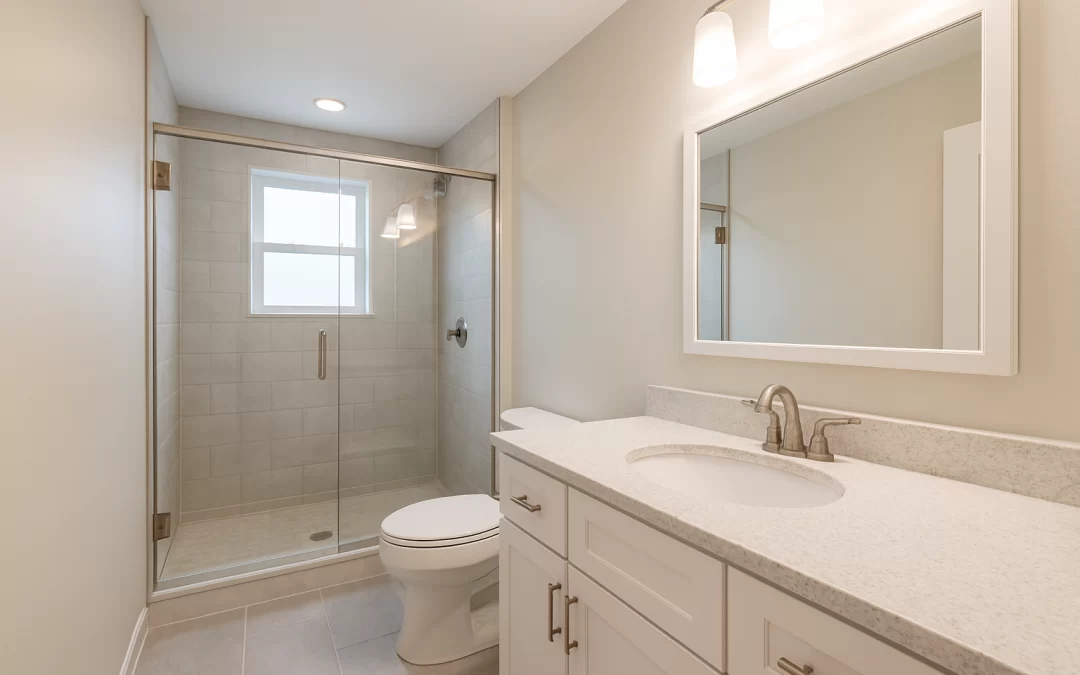
Bathroom remodel prices in 2026 typically range from $8,000 to $30,000 for most U.S. homeowners, while high-end projects can exceed $40,000 depending on size, materials, and layout changes. Smaller updates may cost as little as $6,000–$12,000, while full gut renovations often reach $25,000–$50,000 or more. Most projects take about 2–5 weeks once construction begins. Your final price depends heavily on whether you keep the existing layout, the quality of materials you choose, and the condition of your home behind the walls.
A bathroom remodel is one of the most cost-effective ways to update your home, but pricing can be confusing and inconsistent. This guide focuses only on what homeowners actually pay in 2026, why prices vary so much, and how to set a realistic budget before you talk to contractors.
All numbers below are based on typical U.S. residential projects, not extreme “TV makeover” examples.
Table of Contents
- Typical Bathroom Remodel Price Ranges in 2026
- Bathroom Remodel Cost Breakdown
- What Actually Drives Bathroom Remodel Cost
- Typical Bathroom Remodel Timeline in 2026
- What Homeowners Should Expect During Pricing & Bids
- DIY vs. Professional: How It Changes the Price
- Common Costly Mistakes Homeowners Make
- When It Makes Sense to Hire a Bathroom Remodeling Contractor
- Frequently Asked Questions
- Summary & Next Steps
Typical Bathroom Remodel Price Ranges in 2026
Bathroom remodel prices fall into a few clear tiers. Where you land depends on bathroom size, scope, and finish level.
Small / Budget Bathroom Remodel: $6,000–$15,000
This range usually covers:
- Small hall or guest baths (25–40 sq. ft.)
- Keeping the same layout and plumbing locations
- Prefabricated tub/shower units instead of custom tile
- Mid-grade vanity, basic tile or vinyl flooring, standard fixtures
Expect this level if you’re mainly refreshing finishes and fixtures without moving walls or plumbing.
Mid-Range Bathroom Remodel: $15,000–$35,000
Most primary bathroom remodels fall here:
- Standard-size primary or shared bath (40–75 sq. ft.)
- New tub or walk-in shower with tile surround
- Better-quality vanity, stone or quartz top, upgraded fixtures
- Some minor layout tweaks (e.g., shifting a vanity or toilet)
This is the “sweet spot” for many homeowners who want a noticeable upgrade without going fully custom.
High-End / Luxury Bathroom Remodel: $35,000–$75,000+
Luxury projects typically include:
- Larger primary baths (75+ sq. ft.) or combined spaces
- Custom tile showers, frameless glass, freestanding tubs
- Custom cabinetry, heated floors, premium stone or slab walls
- Significant layout changes, structural work, or added windows
Costs climb quickly when you combine high-end materials with complex labor and structural changes.
Bathroom Remodel Cost Breakdown
Understanding where your money goes helps you decide where to save and where to invest.
Typical Cost Allocation by Category
- Labor & project management: 40–60% of total cost
- Materials & fixtures: 30–45% (tile, vanity, tub, toilet, lighting, etc.)
- Design, permits & inspections: 5–10%
- Contingency: 5–15% (for surprises behind walls or upgrades you decide on mid-project)
Common Line-Item Price Ranges (Installed)
These are typical installed price ranges in 2026, including labor and materials unless noted.
- Demolition & disposal: $800–$3,000
- Plumbing work:
- Simple fixture swaps: $800–$2,500
- Moving drains or supply lines: $2,000–$6,000+
- Electrical & lighting: $800–$3,500 (new lights, fan, GFCI outlets, possible panel upgrades)
- Shower or tub:
- Prefab tub/shower unit: $1,500–$4,000
- Tile shower (mid-range): $4,000–$10,000
- High-end custom shower: $10,000–$20,000+
- Vanity & countertop:
- Stock vanity with basic top: $800–$2,000
- Semi-custom with quartz or stone: $2,000–$5,000
- Custom cabinetry: $4,000–$10,000+
- Flooring: $800–$3,500 (material and size dependent)
- Tile materials (walls/floors only): $4–$25+ per sq. ft. for tile; $10–$40+ per sq. ft. installed
- Toilet: $400–$1,500 installed (standard to premium models)
- Glass shower door: $900–$3,500 (framed to frameless)
- Paint, trim & finishing: $500–$2,000
Budget Example: Small Hall Bath (~5′ x 8′)
- Demolition & prep: $1,200
- Basic plumbing & electrical updates: $2,000
- Prefab tub/shower, standard tile floor: $4,000
- Stock vanity, toilet, lighting, paint: $3,000
- Estimated total: around $10,000 (plus 10–15% contingency)
Mid-Range Example: Primary Bath (~8′ x 10′)
- Demolition & minor framing: $2,000
- Plumbing changes for new shower layout: $4,000
- Electrical upgrades & lighting: $2,500
- Custom tile shower with glass: $10,000
- Semi-custom vanity with quartz top: $4,500
- Tile flooring, toilet, finishes: $5,000
- Estimated total: around $28,000–$32,000 (including contingency)
What Actually Drives Bathroom Remodel Cost
Most price differences come down to a handful of key decisions, not just “contractor markup.”
1. Scope: Cosmetic Refresh vs. Full Gut
- Cosmetic update: New fixtures, paint, maybe flooring; usually $6,000–$15,000.
- Full gut: Down to studs, new plumbing, electrical, insulation, and finishes; often $20,000–$50,000+.
Once walls are open, code upgrades and hidden issues can add thousands, so scope choice matters.
2. Layout Changes & Plumbing Moves
Keeping fixtures in the same place is one of the biggest cost savers.
- Moving a toilet or shower often requires new drains, venting, and sometimes slab work.
- Reconfiguring a cramped layout can be worth it, but expect $3,000–$10,000+ in added labor and materials.
3. Material & Finish Level
Two bathrooms with the same layout can differ by $10,000+ based on finishes alone.
- Tile: Ceramic vs. porcelain vs. natural stone can triple material cost.
- Countertops: Laminate or cultured marble vs. quartz or natural stone.
- Fixtures: Builder-grade vs. designer brands with specialty finishes.
4. Bathroom Size & Complexity
- More square footage means more tile, more flooring, and more labor hours.
- Features like niches, benches, in-floor heat, and multiple shower heads add time and cost.
5. Age and Condition of Your Home
Older homes often need extra work to meet current codes.
- Outdated wiring, undersized plumbing, or lack of ventilation can add $2,000–$8,000+.
- Water damage, mold, or structural issues behind walls are common cost surprises.
6. Regional Labor & Permit Costs
Where you live has a real impact on price.
- Major metro areas and high-cost regions can run 20–40% higher than national averages.
- Permits and inspections can range from a few hundred to a few thousand dollars, depending on scope and jurisdiction.
Typical Bathroom Remodel Timeline in 2026
While every project is different, most homeowners can expect a similar sequence.
Planning & Bidding: 2–6 Weeks
- Initial consultations, site visits, and measurements
- Design decisions, material selections, and finalizing scope
- Receiving and comparing detailed quotes
Permits & Ordering Materials: 1–4 Weeks
- Permit applications and approvals (if required)
- Ordering long-lead items like custom vanities, glass, or specialty tile
Active Construction: 2–5 Weeks for Most Projects
- Week 1: Demolition, rough plumbing and electrical
- Week 2–3: Framing adjustments, inspections, drywall, waterproofing
- Week 3–4: Tile work, flooring, painting
- Week 4–5: Fixtures, glass, trim, final punch list
Complex layouts, custom stone, or major structural changes can extend this to 6–8 weeks or more.
What Homeowners Should Expect During Pricing & Bids
The way you approach quotes can change both your price and your experience.
Expect a Wide Range of Quotes
- It’s normal to see a 20–40% spread between bids for the same project.
- Very low bids often skip permits, cut corners on waterproofing, or under-allow for materials.
Look for Detailed, Itemized Proposals
A trustworthy contractor will clearly outline:
- Scope of work (what is and isn’t included)
- Material allowances (e.g., “tile up to $8/sq. ft.”)
- Payment schedule and change order process
This level of detail helps you compare apples to apples and avoid surprise costs.
Plan for a Contingency Budget
- Set aside 10–20% of your budget for hidden issues or upgrades you decide on mid-project.
- In older homes or known problem areas, lean toward the higher end of that range.
DIY vs. Professional: How It Changes the Price
Doing some work yourself can save money, but it’s not always the bargain it seems.
Where DIY Can Make Sense
- Painting, simple hardware swaps, and basic demolition (if you understand what not to touch)
- Installing accessories like mirrors, towel bars, and shelving
These tasks can shave a few hundred to a couple thousand dollars off the total cost.
Where Professional Work Is Usually Worth It
- Plumbing and electrical (code, safety, and insurance issues)
- Waterproofing and tile work in showers and wet areas
- Structural changes, framing, and ventilation
Mistakes in these areas can lead to leaks, mold, or safety hazards that cost far more to fix than hiring a pro up front.
Common Costly Mistakes Homeowners Make
Avoiding a few common pitfalls can keep your bathroom remodel price under control.
Underestimating Total Project Cost
- Focusing only on material prices and forgetting labor, permits, and contingencies.
- Using outdated online averages that don’t reflect 2026 labor and material costs.
Changing the Scope Mid-Project
- Adding features or moving fixtures after work starts almost always triggers change orders.
- Lock in your layout and major selections before demolition to avoid price creep.
Choosing Materials Before Setting a Budget
- Falling in love with premium tile or fixtures without knowing the installed cost.
- Work with your contractor to match selections to a realistic budget range.
Hiring Only on the Lowest Bid
- Low bids may skip critical steps like proper waterproofing or code upgrades.
- Repairs from a bad remodel can easily cost more than doing it right the first time.
When It Makes Sense to Hire a Bathroom Remodeling Contractor
Not every project needs a full-service remodeler, but many do.
Signs You Should Bring in a Pro
- You’re moving plumbing, changing the layout, or opening walls.
- Your home is older, and you suspect outdated plumbing or wiring.
- You want a tiled shower, custom glass, or high-end finishes.
- You need permits, inspections, and coordination of multiple trades.
When a Smaller-Scale Approach Might Work
- Simple “facelift” projects: new faucet, paint, and accessories only.
- Very tight budgets where you’re willing to keep the existing layout and most fixtures.
For anything beyond a light refresh, a professional can help you avoid expensive mistakes and get a more accurate, all-in price.
Frequently Asked Questions
How much should I budget for a bathroom remodel in 2026 if I don’t want high-end finishes?
For a practical, good-quality remodel without luxury upgrades, most homeowners should plan on $12,000–$25,000, depending on size and layout. This typically covers a new tub or shower, tile, a solid vanity, and updated fixtures without major structural changes.
Is $10,000 enough to remodel a bathroom?
$10,000 can be enough for a small hall bath or a modest refresh if you keep the layout and choose budget-friendly materials. For a larger primary bath or projects involving layout changes, $10,000 is usually below what’s realistic in 2026.
Why are bathroom remodel quotes so different for the same space?
Contractors may be assuming different scopes, material allowances, and quality standards, even if the room size is the same. Always ask for itemized quotes so you can see what’s included and make a fair comparison.
Do bathroom remodels really increase home value enough to justify the cost?
Well-executed bathroom remodels often recoup a significant portion of their cost at resale, especially in competitive markets. More importantly, they improve daily comfort and reduce the risk of water damage or code issues, which can protect your home’s value over time.
How can I get a more accurate price for my specific bathroom?
The only way to get a reliable number is to have a contractor see your space, understand your goals, and price it based on current local labor and material costs. Online calculators are helpful for ballparks, but they can’t account for your home’s condition or local code requirements.
Summary & Next Steps
In 2026, most U.S. homeowners spend between $8,000 and $30,000 on a bathroom remodel, with luxury projects going much higher. Your final price depends mainly on scope, layout changes, finish level, and the age and condition of your home.
The smartest first step is to decide your target budget range, clarify how much change you really need, and then get detailed, written quotes that spell out exactly what’s included. That’s how you avoid surprises and make sure you’re comparing similar proposals.
If you’re starting to plan a bathroom remodel and want real numbers for your home, the next move is a conversation with a professional who works in your area and understands current 2026 pricing. Requesting a tailored quote will give you a clear, realistic budget and help you prioritize where to invest and where to save.
When you’re ready, reach out for a bathroom remodel consultation and get a personalized estimate based on your space, your goals, and today’s actual costs.