
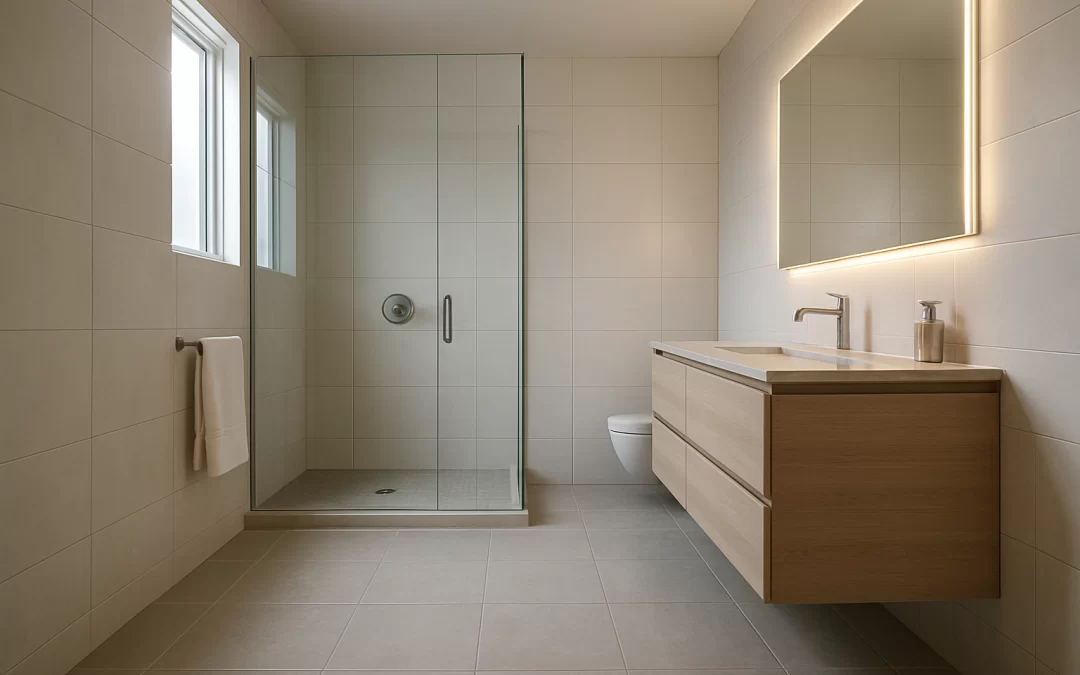
Good tiles for a bathroom are water-resistant, durable, and safe underfoot, with porcelain, ceramic, and natural stone being the most reliable choices for most homes. The right option depends on your budget, maintenance tolerance, and how heavily the space is used. Most homeowners spend anywhere from a modest amount for basic ceramic to a higher range for porcelain or stone, plus installation. If you’re unsure, the safest starting point is choosing slip-resistant, low-maintenance materials that match how your bathroom is actually used day to day.
Bathroom tiles are hard-wearing, water-resistant surfaces used on floors and walls to protect against moisture while shaping the overall look of the space. Choosing “good” tiles is less about appearance alone and more about balancing safety, durability, maintenance, and cost. The biggest factor is real-world use—busy family bathrooms, guest spaces, and ensuites all demand different performance levels. Matching tile choices to how the bathroom is actually used is what prevents most long-term problems.
Table of Contents
- 1. What Choosing Bathroom Tiles Really Involves
- 2. How Bathroom Tile Selection Works (Step-by-Step)
- 3. Types of Bathroom Tiles and Where They Work Best
- 4. Costs, Tradeoffs, and What to Expect
- 5. How to Get Better Results from Your Tile Choices
- 6. Common Bathroom Tile Mistakes to Avoid
- 7. Decision Guide: Choosing the Right Tile
- 8. FAQ
- 9. Summary and Next Steps
1. What Choosing Bathroom Tiles Really Involves
Choosing good bathroom tiles is about matching material, finish, and layout to moisture, safety, and long-term use—not just selecting a style you like in a showroom. Tiles must handle water, steam, cleaning chemicals, and daily wear without becoming slippery, stained, or difficult to maintain.
- Tile location: floor, shower floor, walls, or accents
- Slip resistance: critical for floors and wet areas
- Water resistance: especially in showers
- Maintenance level: cleaning, sealing, grout upkeep
- Style and size: affects both look and usability
- Installation complexity: impacts cost and longevity
This is where many homeowners go wrong—choosing tiles based on appearance first and discovering later they’re slippery, high-maintenance, or unsuitable for wet areas.
Key insight: The best bathroom tile setup is usually a combination—durable, low-maintenance materials in high-use areas and more decorative options used selectively where they won’t create long-term issues.
If you’re already comparing options, this is typically the point where getting a quick recommendation from a professional can prevent choosing a tile that looks great but performs poorly in your specific bathroom.
2. How Bathroom Tile Selection Works (Step-by-Step)
Step 1: Define How the Bathroom Is Used
Determine whether the space is a main family bathroom, ensuite, guest bath, or powder room. High-use bathrooms require more durable, slip-resistant, and low-maintenance materials.
Key insight: Usage level drives almost every tile decision—more than style or budget.
Step 2: Decide Tile Coverage
- Floor only
- Floor + shower walls
- Full-height walls
- Accent areas
More coverage increases cost, installation time, and long-term maintenance.
Step 3: Match Materials to Each Zone
- Main floor: porcelain or ceramic (matte/texture)
- Shower floor: mosaics for grip
- Walls: porcelain, ceramic, or stone
This is where many costly mistakes happen—using the same tile everywhere without considering safety or maintenance differences.
If you’re unsure, this is often the stage where reviewing your layout and tile choices with an installer can prevent expensive rework later.
Step 4: Confirm Safety and Maintenance
Check slip ratings, cleaning requirements, and whether sealing is needed.
Step 5: Plan Layout and Grout
Tile direction, spacing, and grout color significantly affect both appearance and maintenance.
Step 6: Installation and Prep
Proper waterproofing and surface preparation are critical. Skipping this leads to leaks, mold, and structural damage.
Key insight: Most tile failures come from poor installation or prep—not the tile itself.
This is typically where getting a professional involved early provides the most value, especially for showers and full remodels.
3. Types of Bathroom Tiles and Where They Work Best
Porcelain Tiles
Highly durable and water-resistant, suitable for nearly all bathroom areas.
- Best for: floors, showers, high-use bathrooms
- Pros: durable, low maintenance
- Cons: some finishes can be slippery
Ceramic Tiles
More affordable and easier to install, best for walls or lighter-use floors.
Natural Stone
High-end appearance but requires sealing and ongoing care.
Reality check: Many homeowners underestimate maintenance, leading to staining or premature wear.
Mosaic Tiles
Best for shower floors due to increased grip.
Glass Tiles
Best for accents, not floors.
Patterned Tiles
Visually impactful but can date faster and increase maintenance.
Key insight: Most successful bathrooms use a simple base (porcelain) with limited accents rather than mixing too many materials.
4. Costs, Tradeoffs, and What to Expect
- Basic ceramic: lowest cost
- Porcelain: mid-range, best value
- Stone: premium + maintenance
Costs increase with:
- larger formats
- complex layouts
- prep work and waterproofing
Reality check: Many budgets fail here—not because of tile price, but because of installation complexity and hidden repairs.
If you’re comparing quotes, this is where a second opinion can quickly reveal whether you’re overpaying or missing critical work like proper waterproofing.
Key insight: Spending more on proper installation and waterproofing usually matters more than upgrading to premium tile.
5. How to Get Better Results from Your Tile Choices
- Use slip-resistant finishes in wet areas
- Balance tile sizes for usability and cleaning
- Choose practical grout colors
- Limit material variety
Key insight: Simpler tile plans almost always age better and are easier to maintain.
6. Common Bathroom Tile Mistakes to Avoid
Slippery Floors
Glossy tiles can become dangerous when wet.
Poor Waterproofing
This leads to expensive long-term damage.
Too Much Grout
Small tiles everywhere increase cleaning effort significantly.
Overly Trend-Driven Choices
Can reduce long-term satisfaction and resale appeal.
Key insight: Most regrets come from prioritizing appearance over performance.
This is often the point where a quick expert review can help you avoid choices that look good now but cause issues later.
7. Decision Guide: Choosing the Right Tile
- Low maintenance: porcelain + simple layout
- Luxury: stone or high-end porcelain
- Budget: ceramic or standard porcelain
- Safety: textured finishes + mosaics
Key insight: The best choice is the one that fits your daily use—not just your design preference.
If you’re narrowing down options and still unsure, this is typically where getting a quick quote or recommendation can turn uncertainty into a clear decision.
8. FAQ
What is the best tile for bathroom floors?
Porcelain with a matte or textured finish is usually the best balance of durability and safety.
Are large tiles better?
They reduce grout lines but require flat surfaces and are not ideal for shower floors.
Can I use the same tile everywhere?
Sometimes, but shower floors usually need a different format for safety.
Is natural stone worth it?
Only if you’re prepared for the maintenance.
Do tiles need sealing?
Porcelain usually doesn’t; stone often does.
9. Summary and Next Steps
Good bathroom tiles are those that remain safe, durable, and easy to maintain over time while matching your style and budget. The right choice comes from aligning materials with how the bathroom is actually used, not just how it looks in a showroom.
The most effective next step is to define your priorities—safety, maintenance, budget, and style—then narrow your choices to a few realistic options for each area of the bathroom.
At this stage, many homeowners find that getting a quick professional opinion or quote helps confirm whether their selections will work as expected and prevents costly mistakes during installation.
If you’re planning a remodel or tile upgrade, getting a tailored recommendation or estimate based on your specific bathroom layout can save time, reduce risk, and help you move forward with confidence.